Concrete slabs often leave homeowners in Palmdale staring at lifeless patios or driveways that drain the fun from outdoor gatherings. The relentless sun and dry climate here make natural grass a hassle, but artificial grass offers a green escape without the upkeep. At GreenCore Turf Installations, we’ve helped countless locals transform these hard surfaces into lush, inviting spaces. If you’re handy and want to save on professional costs, this guide walks you through a straightforward DIY process. You’ll learn how to prep the area, lay the turf, and secure it properly for a result that withstands our scorching summers and occasional winds. No more muddy shoes or watering woes—just a beautiful yard ready for barbecues or playtime. Follow these steps, and you’ll have a pro-looking installation in a weekend.
Understanding Artificial Grass Installation on Concrete
Installing artificial grass on concrete is a smart choice for Palmdale residents seeking low-maintenance landscaping. Unlike soil-based installs, this method skips excavation, making it ideal for patios, balconies, or pool decks where digging isn’t feasible. Artificial grass, or synthetic turf, mimics real grass with UV-resistant fibers that stay green year-round, even under our intense California sun. It’s permeable, allowing water to drain through, which prevents puddles on sloped concrete.
Why choose this over natural options? In our hot, arid climate, real grass demands constant irrigation, which can spike water bills and strain local resources. Synthetic turf cuts water use by up to 75%, aligning with drought-conscious living in the Antelope Valley. Plus, it eliminates pesticides and mowing, saving time and reducing allergens.
Key benefits include:
- Durability: High-quality turf withstands foot traffic and pet play, lasting 10-15 years with minimal fading.
- Cost Savings: DIY avoids labor fees, though initial materials run $5-10 per square foot.
- Aesthetic Appeal: Creates a seamless green look that boosts property value—perfect for our ranch-style homes common in areas like Antelope Acres.
- Eco-Friendly: Reduces urban heat islands by cooling concrete surfaces up to 30 degrees.
In our experience at GreenCore Turf Installations, clients often underestimate drainage, leading to water pooling. Always check your concrete’s slope; a 1-2% grade ensures proper runoff. For infill, which adds stability and cushioning, opt for silica sand or rubber crumbs—essential for high-traffic spots. This isn’t just covering concrete; it’s engineering a functional outdoor extension. If you’re dealing with uneven slabs, minor leveling with self-leveling compound prevents lumps under the turf. Overall, this installation enhances usability without the mess of traditional lawns, making it a go-to for busy Palmdale families.
Step-by-Step Guide to DIY Artificial Grass Installation
Ready to tackle your concrete transformation? This how-to focuses on safety and precision, tailored to Palmdale’s conditions like high winds and heat that can warp materials if not handled right. Gather tools: utility knife, adhesive or nails, broom, and turf cutter. Materials include underlayment for cushioning, turf rolls, and seam tape. Work in cooler hours to avoid adhesive drying too fast in our 100-degree summers.
Start with preparation:
- Clean the Surface: Sweep away debris and power-wash the concrete. In dusty Palmdale, this prevents grit from abrading the turf backing.
- Repair Cracks: Fill any fissures with concrete patch to ensure a smooth base. Local building codes in the High Desert require stable surfaces for outdoor mods.
- Add Underlayment: Roll out foam or rubber padding (1/4-inch thick) for comfort—crucial if kids or pets use the area. Secure with adhesive dots.
Next, layout and installation:
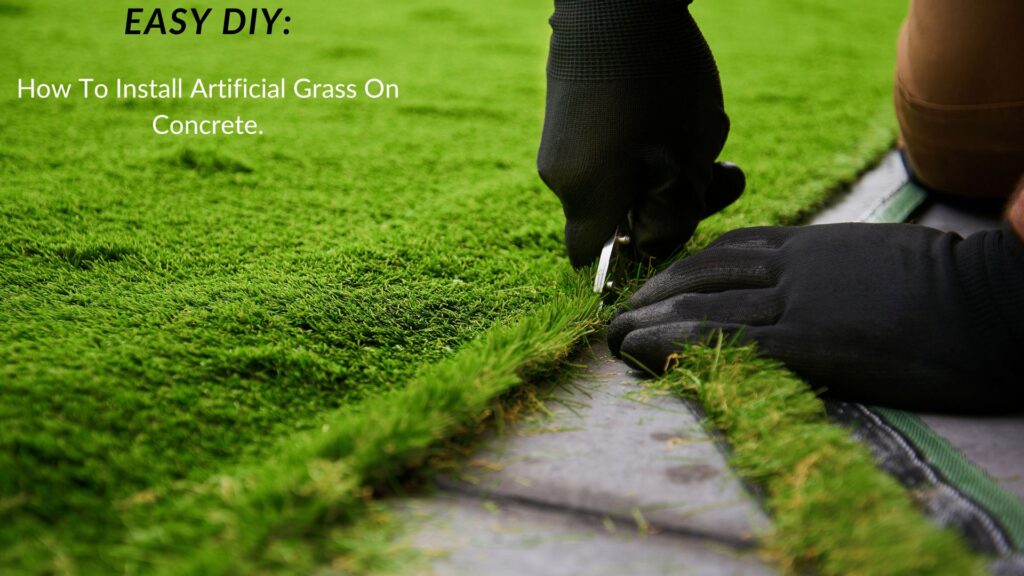
- Dry-Fit the Turf: Unroll the grass over the underlayment, trimming edges with a utility knife for a snug fit. Acclimate it in the shade for 24 hours to match our dry air.
- Secure the Edges: Use landscape nails every 6 inches along perimeters or polyurethane adhesive for permanent hold. For windy spots near Lake Hughes, double-nail for stability.
- Seam if Needed: Overlap seams by 1/2 inch, apply seam tape underneath, and glue. Brush fibers upright immediately.
- Infill Application: Spread 1-2 pounds per square foot of sand or acrylic-coated sand. This weighs down the turf and keeps blades perky—vital for our sunny exposure.
Pro Tip: Before infilling, lightly mist the turf to settle fibers, but avoid over-wetting in Palmdale’s low humidity to prevent mold. An insider secret from our installs: Use a power broom for even distribution; it cuts time in half and ensures no bald patches.
Local factors matter—our alkaline soil doesn’t affect concrete, but check for HOA rules in neighborhoods like Anaverde, which may limit heights. If installing near pools, choose permeable turf to handle splash-back without slipping. Test drainage by hosing the area post-install. For pet owners, consider K9-Grade Turf Installation options with antimicrobial backing. This process typically takes 4-6 hours for a 200-square-foot patio, yielding a maintenance-free zone.
Common Mistakes to Avoid When Installing Artificial Grass on Concrete
DIY enthusiasts in Palmdale often rush prep, leading to costly fixes. One big error is skipping a thorough cleaning—dirt trapped under the turf causes bubbling or odors, especially with our fine desert dust. This can necessitate full removal, costing $500+ in wasted materials.
Another pitfall: Ignoring slope. Flat concrete leads to standing water, promoting bacteria growth and turf degradation. In rainy seasons, this risks slips, posing safety hazards for families. Always verify a minimum 1% pitch; otherwise, add channels or consult pros.
Overlooking infill is common too. Without it, turf shifts underfoot, creating uneven wear and tripping risks. Financially, poor infill means replacing sections sooner, hiking long-term costs by 20-30%. Use the right type—avoid plain playground sand, as it compacts and kills cushion.
Finally, improper seaming in multi-roll jobs results in visible lines or separation. Heat expansion in our climate exacerbates this, leading to gaps that collect debris. Use quality tape and allow curing time; shortcuts here void warranties and invite pests.
By dodging these, you’ll avoid safety issues like falls on unstable surfaces and financial drains from redo’s. At GreenCore Turf Installations, we’ve fixed countless such mishaps, reinforcing why attention to detail pays off.
Conclusion
Transforming concrete with artificial grass DIY-style opens up endless outdoor possibilities in Palmdale, from durable play areas to elegant entertaining spaces. Key takeaways: Prioritize cleaning and drainage for longevity, use proper infill for stability, and steer clear of rushed seams to prevent issues. This approach not only beautifies your property but also conserves water in our dry region, aligning with sustainable living.
While DIY saves money, complex jobs like large areas or custom designs benefit from expert hands. If you’d rather skip the hassle, GreenCore Turf Installations specializes in seamless installs tailored to local needs. Our team ensures code compliance and weather-resistant results. Need help with artificial grass on concrete in Palmdale? Call GreenCore Turf Installations today at (661) 449-2142.
Leave a Reply