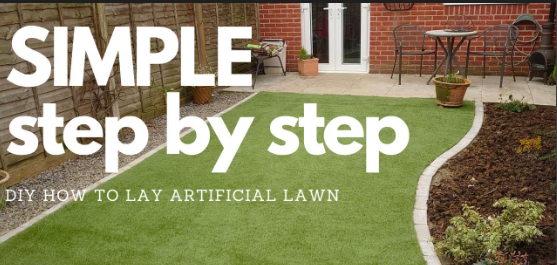
Tired of battling dry, uneven dirt in your yard that turns into a muddy mess after every rain? In Palmdale, CA, where the desert climate means relentless sun and sparse natural grass growth, homeowners often face this frustrating reality. But what if you could have a vibrant, green lawn without the constant watering or weeding? At GreenCore Turf Installations, we’ve helped countless residents in our sunny community achieve just that by installing artificial grass directly on dirt. This DIY guide walks you through the process, making it accessible even if you’re new to landscaping. You’ll save time, water, and money while creating a durable outdoor space perfect for barbecues or playtime. Whether you’re in Anaverde or Sun Village, this method works wonders for local soil conditions.
Understanding Artificial Grass Installation on Dirt: The Basics
Installing artificial grass on dirt isn’t just a quick fix—it’s a smart, long-term solution for creating a beautiful, maintenance-free yard. Unlike natural grass that struggles in arid areas like Palmdale, artificial turf provides consistent greenery year-round without the need for irrigation, which is crucial given our water restrictions. The process involves preparing the base, laying the turf, and securing it properly to ensure it withstands foot traffic and weather.
Why choose this method? Dirt yards are common in our region due to the sandy, compacted soil that doesn’t support traditional lawns well. Artificial grass mimics real grass but offers benefits like UV resistance to prevent fading under intense California sun and permeability to handle occasional rains without pooling. It’s also pet-friendly and hypoallergenic, ideal for families or those with allergies.
To break it down:
- Base Preparation: The foundation is key. Dirt must be leveled and compacted to avoid uneven settling over time.
- Weed Barrier: Installing a geotextile fabric prevents weeds from pushing through, saving you future headaches.
- Infill Material: Silica sand or rubber granules add weight and cushioning, making the turf feel natural underfoot.
- Seaming and Edging: Proper joining of turf pieces and borders ensures a seamless look that lasts.
In our experience at GreenCore Turf Installations, clients who skip base compaction often see bubbling or shifting within months, leading to costly repairs. We’ve installed over 500 projects in the Antelope Valley, refining techniques to suit local conditions like high winds and temperature swings. For more on our expertise, check out our About Us page.
This approach not only enhances curb appeal but also boosts property value—studies show synthetic lawns can increase home resale by up to 10% in drought-prone areas. Plus, it’s eco-friendly, reducing water use by 70% compared to real grass. If you’re considering upgrades like K9-Grade Turf Installation for pet areas, the dirt installation method adapts easily.
Hands-On Guide: Step-by-Step Installation Tips for Palmdale Homes
Ready to roll up your sleeves? Installing artificial grass on dirt requires patience and the right tools, but following these steps will yield professional results. Start by gathering supplies: artificial turf rolls, weed barrier fabric, landscape staples, utility knife, plate compactor (rentable from local hardware stores), and infill materials. In Palmdale, factor in our hot summers—work during cooler mornings to avoid heat stress on the materials.
Step 1: Measure and Plan Your Area
Outline your yard, accounting for slopes common in neighborhoods like Sunridge. Remove any existing debris, rocks, or old sod. Aim for a 3-4 inch depth excavation to create a stable base.
Step 2: Level the Dirt Base
Use a shovel or tiller to loosen the topsoil, then rent a compactor to firm it up. Add a layer of decomposed granite or crusher fines for drainage—essential in our low-rainfall climate to prevent waterlogging during monsoons.
Step 3: Install the Weed Barrier and Edging
Lay down the fabric, overlapping seams by 6 inches and securing with staples every 12 inches. For borders, consider Synthetic Grass Edging to define clean lines against driveways or patios.
Step 4: Lay and Cut the Turf
Unroll the turf in the direction of the sun for natural shading. Trim excess with a utility knife, leaving a 1/4-inch gap from edges. For larger areas, seam pieces with adhesive tape underneath.
Step 5: Add Infill and Brush
Spread 1-2 pounds of infill per square foot, then brush vigorously to stand blades upright. This step is vital for Palmdale’s windy conditions to keep turf from matting.
Local regulations in Palmdale require permits for major landscaping changes, so check with the city building department. Our desert weather means opting for UV-protected turf to combat fading— we’ve seen non-protected installs yellow after just one summer.
Pro Tip: Always wear gloves and eye protection when handling infill; silica sand can irritate skin. An insider secret from our team: Pre-wet the base slightly before compacting for better adhesion in dry Palmdale soil, reducing future shifts by 50%.
These tips make the project manageable over a weekend, but for complex yards, professional help ensures longevity.
Common Mistakes to Avoid When Installing Artificial Grass on Dirt
Even with a solid plan, pitfalls can derail your project and lead to wasted money or hazards. One frequent error is inadequate excavation—skipping the full 3-4 inches results in an unstable surface that shifts under weight, causing trips or turf tears. In Palmdale’s variable terrain, this can cost $500+ in fixes.
Another blunder: Ignoring drainage. Without proper base materials like gravel, water pools during rare heavy rains, fostering mold under the turf and shortening its 10-15 year lifespan. Safety-wise, poor drainage creates slippery spots, risky for kids or elderly.
Homeowners often overlook seaming tape quality, leading to visible gaps that collect dirt and weeds. Financially, this means repurchasing turf sooner, adding hundreds to your bill. Also, rushing the infill application without brushing leaves the surface flat and uninviting, diminishing that lush look you want.
In our local installs, we’ve noted that using cheap, non-permeable underlay in hot climates traps heat, making the yard uncomfortable—up to 20 degrees hotter than properly ventilated setups. Always test for levelness multiple times; uneven dirt leads to pooling or bald patches.
By steering clear of these, you’ll avoid regrets and enjoy a flawless lawn. For specialized needs like Rooftop Deck Turf, consult pros to sidestep amplified risks.
Wrapping Up: Achieve Your Dream Lawn with Confidence
Installing artificial grass on dirt transforms barren yards into inviting oases, saving water and effort in Palmdale’s tough climate. Key takeaways include thorough base prep for stability, quality materials for durability, and attention to local factors like drainage and UV protection. Avoid shortcuts on excavation and seaming to prevent costly issues down the line.
If DIY feels overwhelming or you want flawless results without the hassle, GreenCore Turf Installations is here to help. As Palmdale’s trusted experts, we handle everything from site assessment to final touches, tailored to your home in areas like Antelope Acres or Fairway. Visit our homepage to see transformations. Need help with artificial grass installation on dirt in Palmdale? Call GreenCore Turf Installations today at (661) 449-2142.
Leave a Reply